
Sherrie Rose gave Masterwork meaning, the way Dolly Parton gives everything her own signature. Neither of them built it alone.

Picture the image most people have of a legend at work: one woman, one guitar, one spotlight, the rest of the world standing back to watch. It's a nice picture. It's also not what happened at the Schermerhorn.
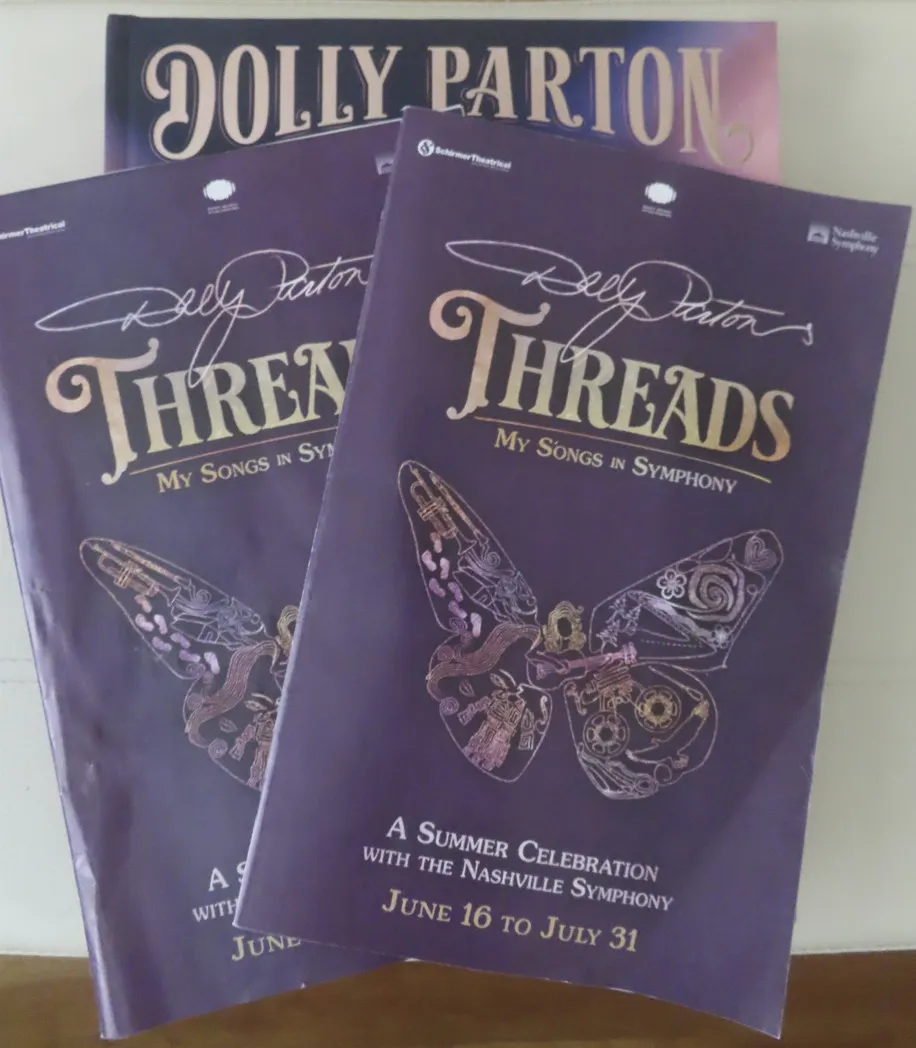
The night Threads: My Songs in Symphony filled that hall, Dolly wasn't the one making the sound. She appeared on video, narrating the story behind each song. The sound itself came from eighty musicians of the Nashville Symphony, rebuilt from the ground up by orchestrator and conductor David Hamilton, and from five voices that weren't hers: Julie, Katie, Blair, Hollie, and Katelyn, singing songs that had belonged to Dolly alone for well over fifty years.
That's the part worth sitting with. Dolly didn't write "Jolene" or "My Tennessee Mountain Home" to be sung by someone else, someday, in front of a symphony. She wrote them the way most people write anything worth writing: for the moment in front of her, a living to make, a story that needed telling. That's livelihood. It doesn't ask permission from the future.
Masterwork does. Between writing a song and handing it to another singer's voice, Dolly had to decide who she trusted with it: a singer who would take the song further than Dolly could follow, past the point where she could still correct it in real time. That's a different kind of decision than talent or ambition ever required. It takes discernment: knowing whose hands are safe for what you've made once it leaves yours.
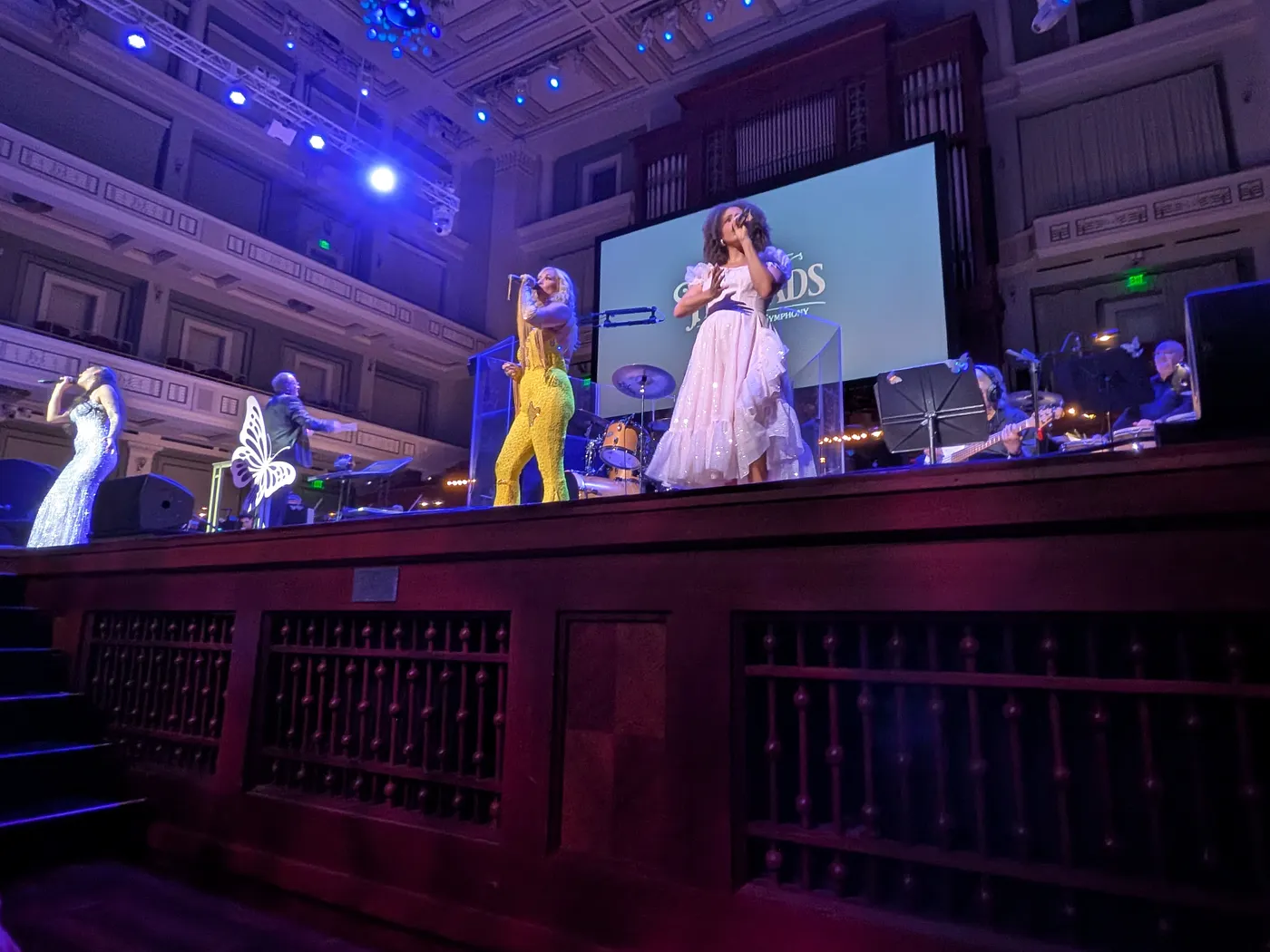
David Hamilton conducted that night. Before that, he took songs everybody thought they already knew and found new architecture inside them. Behind the whole enterprise sits Danny Nozell, Dolly's manager for years, whose job looks past the next show to the one after that, and the one after that: watching for what her songbook needs so it keeps finding people long after she's stopped writing new ones.
Danny Nozell has described his mission as protecting and growing her legacy, and reaching younger generations who deserve to know her, as he put it, "a real role model worth looking up to." In his account, her generosity is the engine of it all: the more she gives, the more comes back. (Star of the Show, p. 128)
Each of those roles is part of Dolly's Masterwork, and each one depends on someone she chose to let in.
This is what Sherrie Rose means when she says “The Real Currency is Relationship Riches.” An audience can be counted, and so can the collaborators listed in a program. The riches are in who you trust with what you've made once it leaves your hands and starts living in someone else's voice.
Dolly had a conductor, a symphony, and a manager with years on the job. Your circle may be two or three people. What you need from them is the same thing Dolly needed: people who'll protect what you've made as if it were their own.

Dolly got to Threads by choosing, well before opening night, exactly who she would trust with her songs. That choice shows the strength of her Relationship Riches.
